-

-
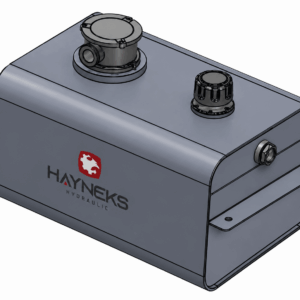
REAR MOUNTED ALUMINIUM OIL TANKS (6)
-
REAR MOUNTED STEEL OIL TANKS (6)
-
SIDE MOUNTED STEEL OIL TANKS (7)
-
SIDE MOUNTED ALUMINIUM OIL TANKS (7)


End of content
End of content
Hydraulic Oil Tanks Technical Catalogs
Access comprehensive volumetric capacity matrices, precise material specifications, and physical chassis mounting dimensions for the high-strength Hayneks OA and OB Series hydraulic oil tanks through our official current catalogs below.
Global Hydraulic Excellence by Hayneks Hydraulic. Secure long-term fluid power integrity and maximize system lifecycle stability with our professional-grade HYDRAULIC OIL TANKS engineered with advanced thermal dissipation properties. Serving as the primary structural node for heavy-duty commercial vehicles and trailer configurations, Hayneks OA and OB series oil tanks are precision-fabricated utilizing high-tensile aluminum alloys and premium cold-rolled steel sheets coupled with automated robotic welding lines. Designed to balance fluid thermal stress, suppress foaming, and ensure debris-free suction supply, our high-strength tanks integrate internal engineered baffle plates, micron-rated filtration ports, and robust structural mounting brackets for vocational tipper trucks, mobile cranes, and specialized transport fleets.
Hydraulic Oil Tanks: Technical FAQ
1. What manufacturing criteria and material standards define the production quality of Hayneks hydraulic oil tanks?
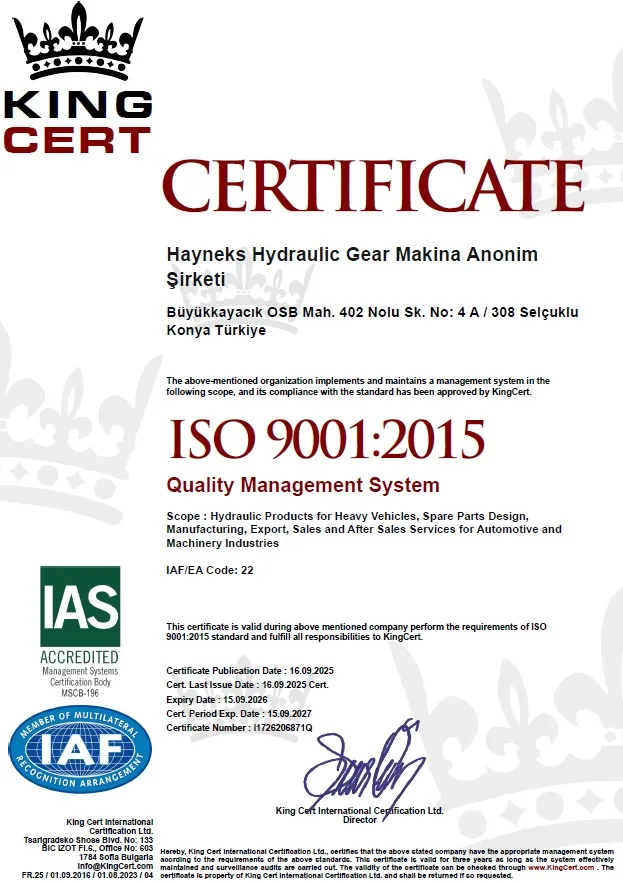
Our Hydraulic Oil Tanks are manufactured in absolute compliance with certified ISO 9001:2015 infrastructures. Utilizing corrosion-resistant specialized aluminum alloys and high-yield structural steel sheets, every tank unit undergoes rigorous pressurized leak detection, robotic seam auditing, and penetration validation to ensure absolute structural durability under extreme fleet working conditions.
2. What are the primary structural distinctions between the OA Series and OB Series hydraulic oil tanks?
The OA Series and OB Series product lines are strategically engineered to accommodate diverse vehicle chassis spaces and body builder preference parameters. They maintain distinct structural variations concerning total volumetric capacity configurations, spatial orientation of suction and return ports on the tank shell, sight level gauge frameworks, and unique mounting bracket configurations.
3. What physical mounting configurations are available based on vehicle chassis space boundaries?
To support varying machine spatial limitations, we supply two universal installation architectures: high-capacity Rear-mount (Behind-cab) tank configurations that optimize the dead space behind the truck tractor cabin, and compact Side-mount (Lateral) tank models bolted directly to the truck or trailer side-frame utilizing heavy-duty cast or steel support feet.
4. What are the engineering advantages of choosing aluminum hydraulic oil tanks over traditional steel models?
Aluminum tanks provide a significantly lower net weight compared to steel counterparts, directly boosting the legal payload capacity of commercial transport fleets. Furthermore, aluminum features an exceptional thermal conductivity profile, accelerating fluid heat deşarj to the atmosphere, which significantly extends hydraulic oil life while offering inherent rust and atmospheric oxidation resistance.
5. What is the structural purpose of integrated internal baffle plates inside hydraulic oil tanks?
The perforated internal baffle plates prevent violent fluid sloshing and external oil spillage during rapid vehicle braking, acceleration, or steep cornering maneuvers. Mechanically, their most vital function is to slow down high-velocity return oil, allowing entrapped air bubbles to break loose, separating thermal layers, and effectively eliminating hydraulic system foaming failures.
6. What technical parameters must be evaluated when calculating the correct tank volumetric capacity for commercial vehicles?
Proper tank dimensioning is calculated based on the maximum flow rate of the hydraulic pump, the total oil consumption volume of the multi-stage telescopic cylinders, and required system thermal dwell times. As an engineering benchmark, when all cylinders are fully extended, the tank must retain fluid above the absolute minimum line; when cylinders collapse, a 10% air cushion must remain at the top for expansion.
7. What types of high-functionality accessories are supplied standard or optional with Hayneks tanks?
Hayneks hydraulic tanks are delivered with complete high-utility accessory integration. This incorporates visual or electronic spy level gauges for instantaneous oil level monitoring, spin-on breathing caps featuring integrated air filters to balance pressure, specialized suction line internal strainers, and precise tank-top return filtration mounting blocks.
8. Why is it critical for hydraulic return lines to terminate below the minimum oil level inside the tank?
Allowing return fluid to drop freely from the top of the tank introduces massive atmospheric air entrainment, causing severe oil aeration and foaming. Aerated oil passing into the suction port induces immediate cavitation pitting inside high-pressure pumps and creates jerky, noisy actuator operations. Hayneks internal down-tubes route all return fluid safely below the lowest active oil boundary.
9. Are Hayneks hydraulic oil tanks directly compatible with global commercial vehicle truck chassis?
Yes. Our lateral side-mount and cab-rear tanks conform fully to international heavy-duty commercial frame standardizations. They ship as complete 1:1 drop-in replacement assemblies inclusive of heavy-duty casting legs, polyurethane-backed steel straps, and hardware directly matching the factory chassis hole layouts of Mercedes-Benz, Volvo, Scania, MAN, DAF, Renault, and Iveco trucks.
10. What periodic cleaning and preventive maintenance procedures are mandatory for vocational hydraulic oil tanks?
Atmospheric temperature fluxes generate internal moisture condensation; this water pooling at the tank bottom must be purged via the magnetic lower drain plug every 500 operating hours. Additionally, every 1000 operating hours or during full oil changes, the tank access covers should be unbolted to clear internal wall sediments, replace air breather elements, and clean the suction strainers.