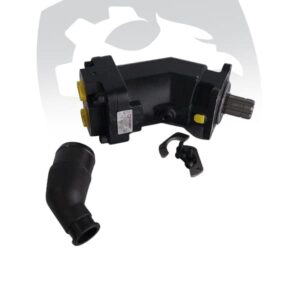
FIXED FLOW AXIAL PISTON PUMPS

  • L Type Cast Iron Body Bent Axis Piston Pumps PA Series L Tipi Döküm Gövdeli Eksenel Pistonlu Pompalar PA Serisi Pompes À Pistons À Axe Brisé Avec Corps En Fonte De Type L Série PA Аксиально-Поршневые Насосы С Наклонным Блоком В Чугунном Корпусе Типа L Серии PA Bombas De Pistones De Eje Inclinado Con Cuerpo De Hierro Fundido Tipo L Serie PA

    L Type Cast Iron Body Bent Axis Piston Pumps PA Series

    SKU:LBAXD005BD-PA
    Specifications
    Displacement 5 lt – 130 lt (1,32 gal (US) – 34,34 gal (US))
    Max.Speed 3150 rpm
    Max.Pressure 420 bar (6092 psi)
    Body Type Cast Iron Body

    Product Description

    • Model: LBAXD
    • The displacement ranges from 5 lt to 130 lt (1,32 gal (US) – 34,34 gal (US)).
    • Please select from the list below the capacity that best suits your application.
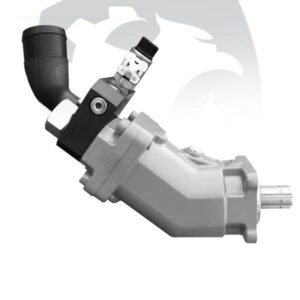
  • L Type Aluminium Body Bent Axis Piston Pumps PA Series L Tipi Alüminyum Gövdeli Eksenel Pistonlu Pompalar PA Serisi Pompes À Pistons À Axe Brisé Avec Corps En Aluminium De Type L Série PA Аксиально-Поршневые Насосы С Наклонным Блоком В Алюминиевом Корпусе Типа L Серии PA Bombas De Pistones De Eje Inclinado Con Cuerpo De Aluminio Tipo L Serie PA

    L Type Aluminium Body Bent Axis Piston Pumps PA Series

    SKU:LBAXA005BD-PA
    Specifications
    Displacement 5 lt – 130 lt (1,32 gal (US) – 34,34 gal (US))
    Max.Speed 3150 rpm
    Max.Pressure 420 bar (6092 psi)
    Body Type Aluminum Body

    Product Description

    • Model: LBAXA
    • The displacement ranges from 5 lt to 130 lt (1,32 gal (US) – 34,34 gal (US)).
    • Please select from the list below the capacity that best suits your application.
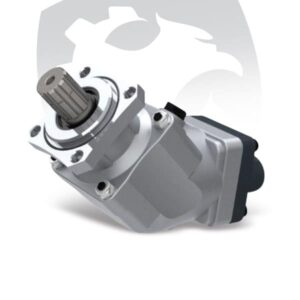
  • P Type Aluminium Body Bent Axis Pumps PA Series P Tipi Alüminyum Gövdeli Eksenel Pompalar – PA Serisi Pompes à Axe Incliné à Corps en Aluminium Type P – Série PA Насосы с наклонным блоком цилиндров с алюминиевым корпусом типа P – Серия PA Bombas de Eje Inclinado con Cuerpo de Aluminio Tipo P – Serie PA

    P Type Aluminium Body Bent Axis Piston Pumps PA Series

    SKU:PBAXA752035131-PA
    Specifications
    Displacement 35 lt – 105 lt (9,25 gal (US) – 27,74 gal (US)
    Max.Speed 2800 rpm
    Max.Pressure 450 bar (6526.69 psi)
    Body Type Aluminum Body

    Product Description

    • Model: PBAXA752
    • The displacement ranges from 35 lt to 105 lt (9,25 gal (US) – 27,74 gal (US)).
    • Please select from the list below the capacity that best suits your application.

End of content

End of content

Axial Piston Pumps – Ultimate Guide & FAQ

Axial piston pumps are the powerhouse of modern hydraulic systems, essential for industries requiring high pressure and reliability. Unlike standard water pumps, these hydraulic components are engineered to deliver immense power for heavy machinery.

In this comprehensive guide, we explore the operating principles of Axial Flow Technology, the difference between bent axis and swash plate designs, and why Hayneks pumps are the preferred choice for global industrial applications.
1. What is an Axial Piston Pump and why is it preferred?

An axial piston pump is a specific type of positive displacement pump that moves fluid using pistons arranged parallel to the drive shaft. This design allows for:

  • High Pressure Capability: Easily handling pressures exceeding 400-450 bar.
  • High Efficiency: Offering superior volumetric efficiency compared to gear or vane pumps.
  • Compact Power: Delivering high power density in a relatively small footprint.

These characteristics make them the top choice for heavy-duty applications like cranes, excavators, and industrial presses.

2. How does an Axial Piston Pump operate?

To grasp the capabilities of axial pumps, it's important to understand the fundamental operating cycle:

  1. Intake Stroke: As the cylinder block rotates, pistons are pulled out of their bores (due to the swash plate angle or bent axis), creating a vacuum that draws oil into the cylinder.
  2. Discharge Stroke: As rotation continues, the angle forces the pistons back into the bores, compressing the oil and pushing it out through the discharge port at high pressure.
  3. Continuous Flow: The multi-piston design ensures a smooth, continuous flow of hydraulic power.
3. What are the advantages of Axial Piston Pumps?

Axial flow pumps offer several key benefits for high-performance hydraulic scenarios:

  • Variable Displacement: Many models allow the flow rate to be adjusted without changing engine speed, saving energy.
  • Durability: Designed to withstand shock loads and harsh operating conditions.
  • Versatility: Suitable for both open and closed circuit hydraulic systems.
  • Precise Control: Offers excellent control over flow and pressure for sensitive machinery operations.
4. Bent Axis vs. Swash Plate: Which one do I need?

Choosing the right design depends on your application:

  • Bent Axis Pumps: Feature a cylinder block at an angle to the shaft. They are extremely rugged, handle higher pressures, and are ideal for mobile hydraulics (trucks, tippers).
  • Swash Plate Pumps: Feature pistons parallel to the shaft with a tilted plate. They are often used in industrial applications and offer flexible control options like pressure compensation.
5. Common Applications for Hayneks Piston Pumps

The unique characteristics of Hayneks axial pumps make them well-suited for a wide range of industries:

  • Mobile Hydraulics: Dump trucks, garbage trucks, snowplows, and hook loaders.
  • Construction Machinery: Excavators, wheel loaders, and concrete mixers.
  • Material Handling: Mobile cranes, forklifts, and telehandlers.
  • Industrial Systems: Hydraulic power units, presses, and manufacturing automation.
6. Key Considerations for Selecting a Pump

When choosing a pump, carefully evaluate:

  • Flow Rate (Displacement): Measured in cc/rev (e.g., 60cc, 80cc, 108cc).
  • Operating Pressure: Ensure the pump meets your system's bar requirements.
  • Rotation Direction: Check your PTO or motor rotation (Left vs. Right).
  • Mounting Standard: Confirm if you need ISO (4-bolt) or SAE mounting flanges.
7. Maintenance and Troubleshooting

To ensure optimal performance and longevity:

  • Fluid Cleanliness: Use high-quality filters to prevent particle contamination (the #1 cause of failure).
  • Oil Selection: Use appropriate hydraulic oil (ISO VG 46/68) to prevent overheating.
  • Check for Cavitation: Unusual noise often indicates air in the system or a blocked suction line.
  • Regular Inspection: Periodically check flanges, hoses, and shaft seals for leaks.

Adress

Hardoks Industrial Site, Fevzi Çakmak Neighborhood, Ahmet Petekçi Street No: 15B, Karatay, 42050 Konya, TURKEY

2025 Hayneks Hydraulic. All Rights Reserved.