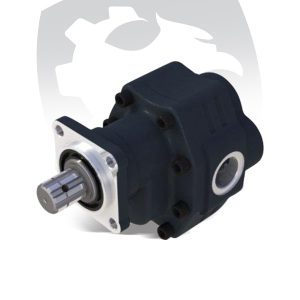
What is hydraulic?
Hydraulic systems are power transmission systems that use pressurized fluid (usually hydraulic oil) to create force and motion in industrial and mobile machinery. If you’re asking “what is hydraulic technology,” the answer lies in understanding how hydraulic cylinders, hydraulic valves, and hydraulic pumps work together to lift heavy loads, move machine components precisely, and ensure reliable operation in modern equipment. Many modern vehicles and equipment rely on power take-off systems (PTOs) to drive hydraulic pumps efficiently. Hydraulic power systems utilize incompressible fluids to transmit energy efficiently, making them essential in construction, manufacturing, and transportation industries.

The core mechanism of hydraulic power systems involves the movement of pistons and gears driven by the fluid flow. Companies like Hayneks Hydraulic specialize in designing and manufacturing high-quality hydraulic components for various industrial applications. By adjusting the liquid’s flow and pressure using control valves and other parts, these systems can achieve accurate and strong movement. This makes them incredibly effective for applications that require substantial force or controlled movements.
Different industries widely use those systems. They are a key component in many types of vehicles, heavy machinery, and industrial equipment. Hydraulic systems are strong and dependable. They lift heavy objects, control car brakes, and operate machinery in manufacturing.
Who Invented Hydraulic Systems?
People have evolved the concept of hydraulics for centuries. The basic principles of using water to generate power and perform work date back to ancient civilizations. For example, the Greeks and Romans used water wheels for milling and pumping.
However, the modern understanding and use of hydraulics began in the 19th century. Blaise Pascal, a French physicist and inventor, made significant contributions in the mid-1600s. He created Pascal’s Law, which is a large part of the hydraulic principle.
Pascal’s Law asserts that a pressure applied to a fluid at rest in a closed system multiplies forces equally in all directions. This law is foundational to the science of the systems.
Joseph Bramah, an English inventor and locksmith, is also a key figure in the development of these systems. He invented the hydraulic press, also known as the Bramah Press, in 1795, demonstrating the application of Pascal’s principle.
People have used fluid power for a long time. Many people developed modern systems over centuries. Major progress occurred in the 17th and 18th centuries.
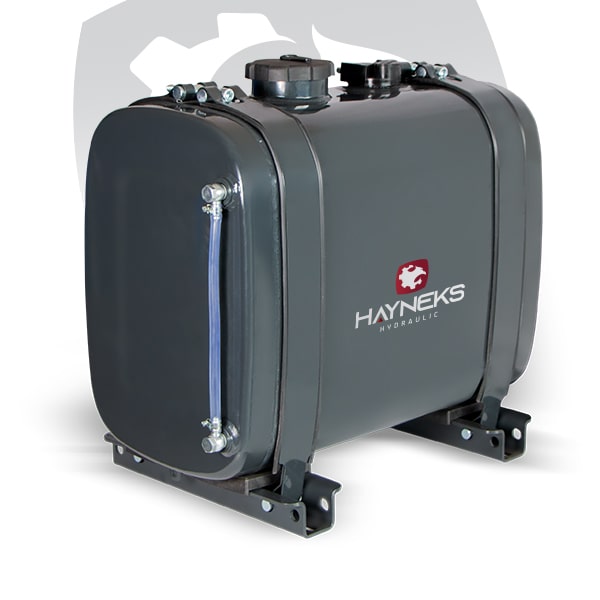
What is a hydraulic system?
These systems work by using an incompressible fluid to transmit force from one point to another. Here’s a breakdown of how these systems typically function:
The system begins with a tank of fluid. This tank serves as a storage for the fluid used in the system.
Hydraulic pumps move the fluid from the reservoir to different parts of the system. They can run on electricity, air, or manual power. The pump compresses the fluid, raising its pressure.
Valves control the flow of fluid. They regulate the direction and amount of fluid, ensuring it moves as desired.
So basically…
The fluid under hydraulic pressure enters a hydraulic cylinder. Inside the cylinder, there is a piston that moves because of the pressure from the fluid. When the hydraulic fluid enters the cylinder, it pushes the piston, making it move. You can use this movement to do tasks like lift heavy things, push or pull levers, or turn gears.
The fluid returns to the reservoir after completing its job in the system, allowing for reuse. The system might also include filters to clean the fluid before it returns to the reservoir.
So this explains the principles of hydraulic. This is how hydraulic systems work.
What are the applications for hydraulic systems?
Hydraulic systems transmit power through small tubes and hoses in various industries for effective power transmission;
- Heavy machinery: In construction, heavy machinery like bulldozers, backhoes, excavators, and cranes use this system. They provide power to move heavy loads and do precise tasks.
- Automobiles: Many parts of a car, such as brakes, power steering systems, and automatic transmissions, use this system. The brake system makes it easier for drivers to stop their cars by increasing the brake pedal force.
- Aerospace: These systems are crucial in aircraft for operating control surfaces like flaps, rudders, and landing gear. Spacecraft and satellites use them for various control functions.
- Manufacturing: Machines like presses, injection molding machines, and metal forming machines use hydraulics for precision and power.
- Agriculture: Farm equipment like tractors, combines, and harvesters use hydraulic systems for tasks like plowing, harvesting, lifting, and loading.
- Marine applications: Ships use hydraulic systems for steering, stabilizing, and controlling ballast in marine applications. In smaller boats, steering mechanisms and lifting systems often contain them.
- Public works: It controls water flow in dams, bridges, locks, and canals.
Systems are important in many industries, especially for tasks that require lifting, precise movement, or applying strong force. These systems play a significant role in facilitating these operations effectively.